
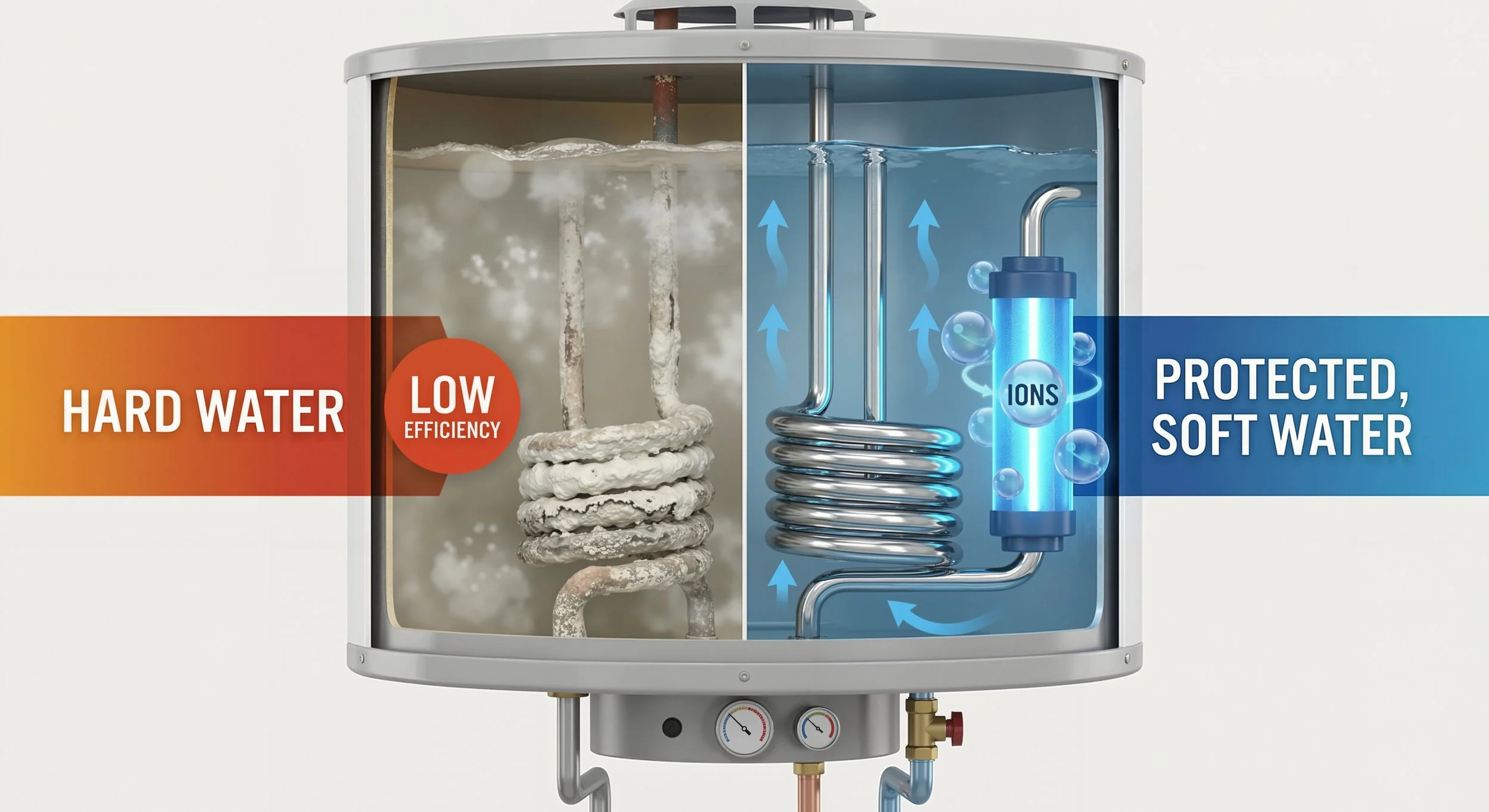


Did you know that you are paying for water treatment that you do not own?
Bad or untreated water significantly impacts personal finances, often causing homeowners over $1,000.00 annually in hidden expenses.
Poor water quality damages plumbing, causes scale build up that ruins appliances, increased energy bills due to inefficiency, and waste money on excessive soap and laundry products.
See how much treated water saves you
Tap the categories that apply to your home — your savings appear instantly.
Select categories above to see your savings breakdown.
Your questions’s answered
-
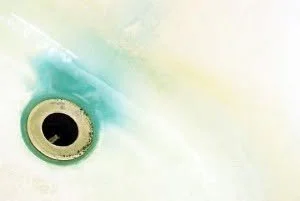
Blue-green stains in sinks are primarily caused by acidic water (low pH) corroding copper pipes, leaving behind copper oxide residue. These stains, often indicating a need for water treatment.
-
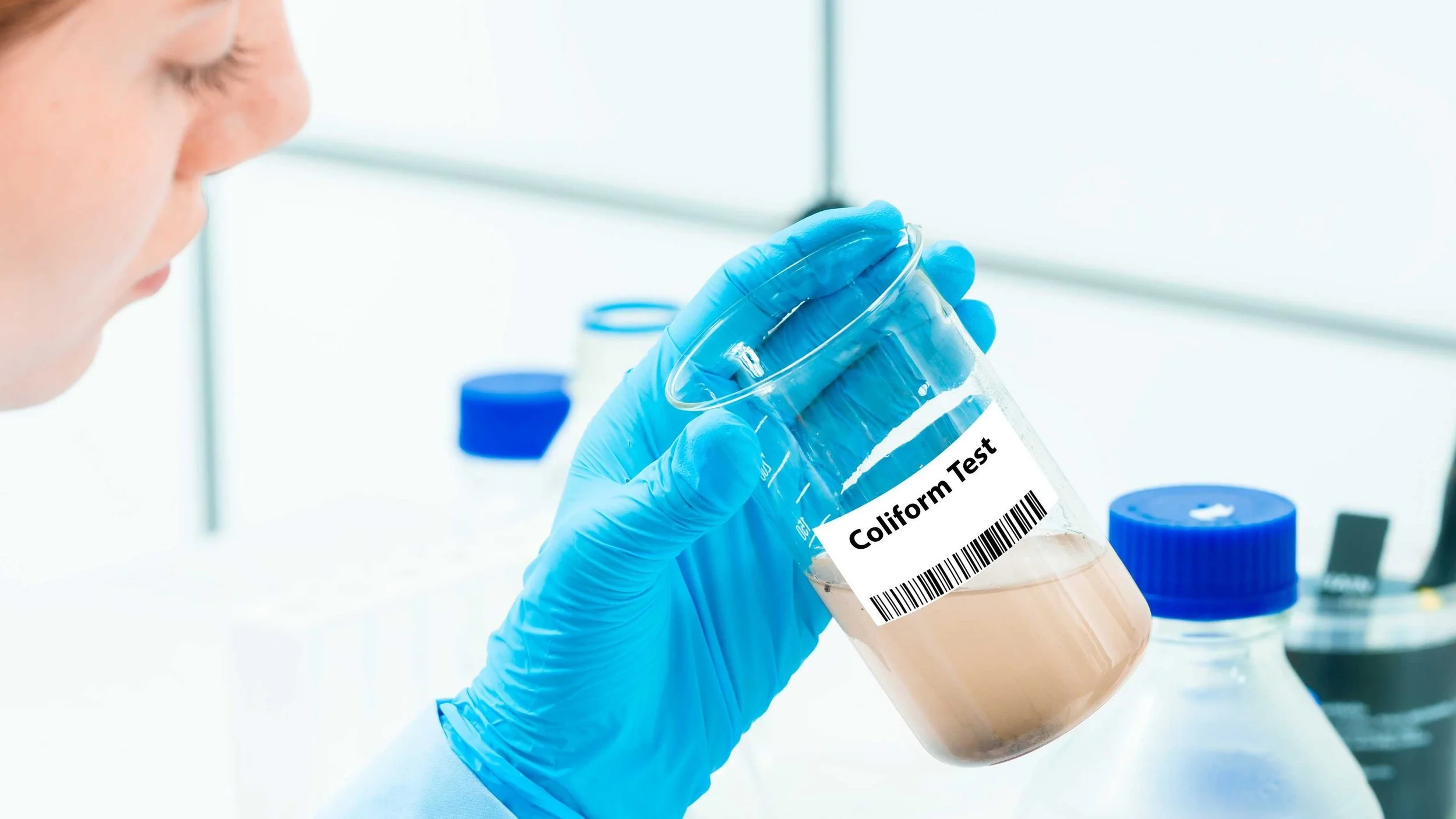
There are several common sources of contamination: Heavy rain or flooding. Leaking septic systems. Agricultural runoff that contains manure, either from livestock operations or manure that has been spread on fields as fertilizer.
-
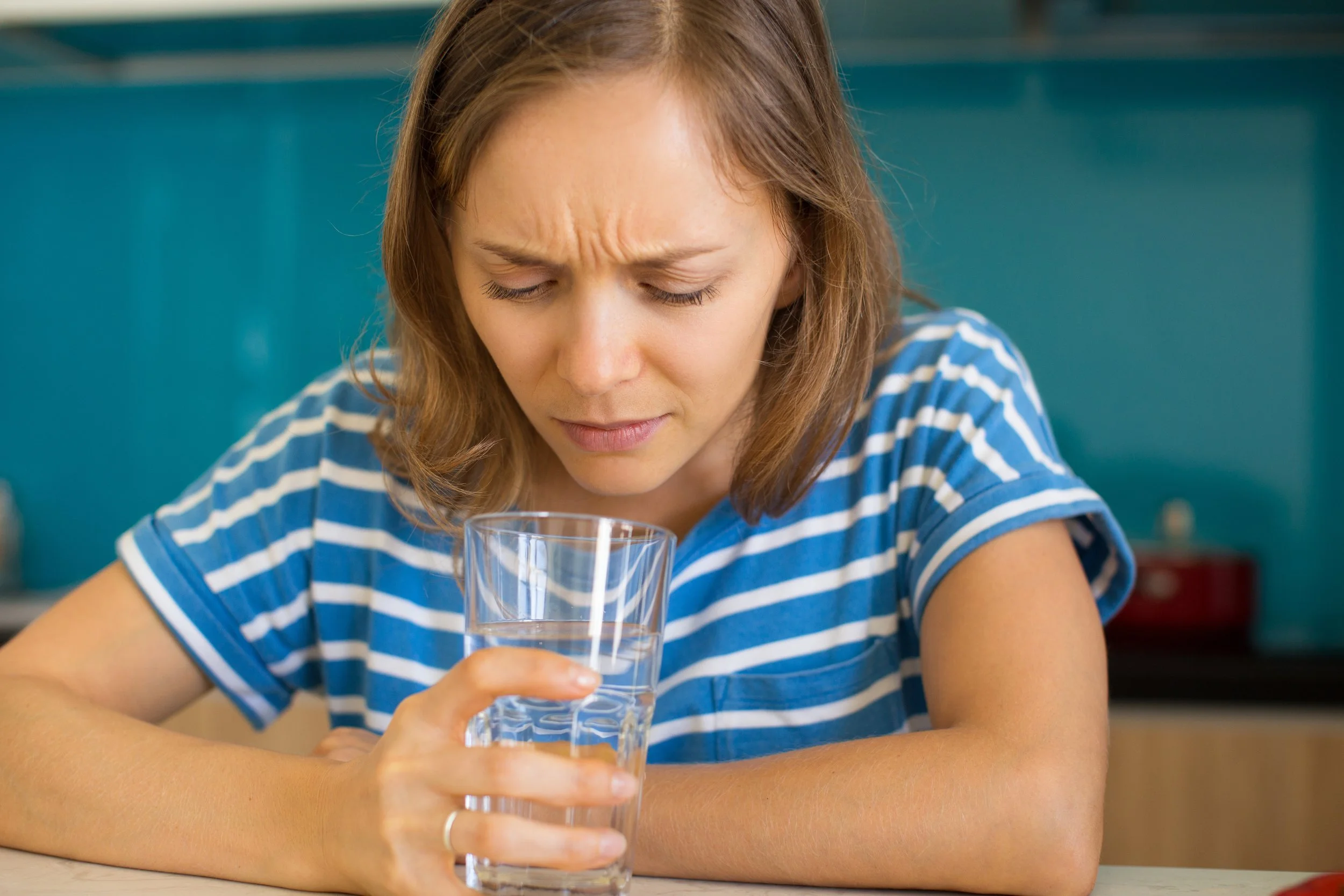
More than likely you are smelling Sulfur. Sulfur will smell on both the hot and cold water, but typically is worse in the hot water as the gas is more easily formed in hot water releasing the gas into the air faster, making the odor more noticeable. Furthermore, water heaters provide an ideal environment for sulfur-reducing bacteria to thrive, often reacting with the magnesium anode rod to produce more odor-causing gas. NOTE: Replacing the anode rod IS NOT going to completely solve this issue. If you are experiencing odor issues of any kind call us and we can help.
-
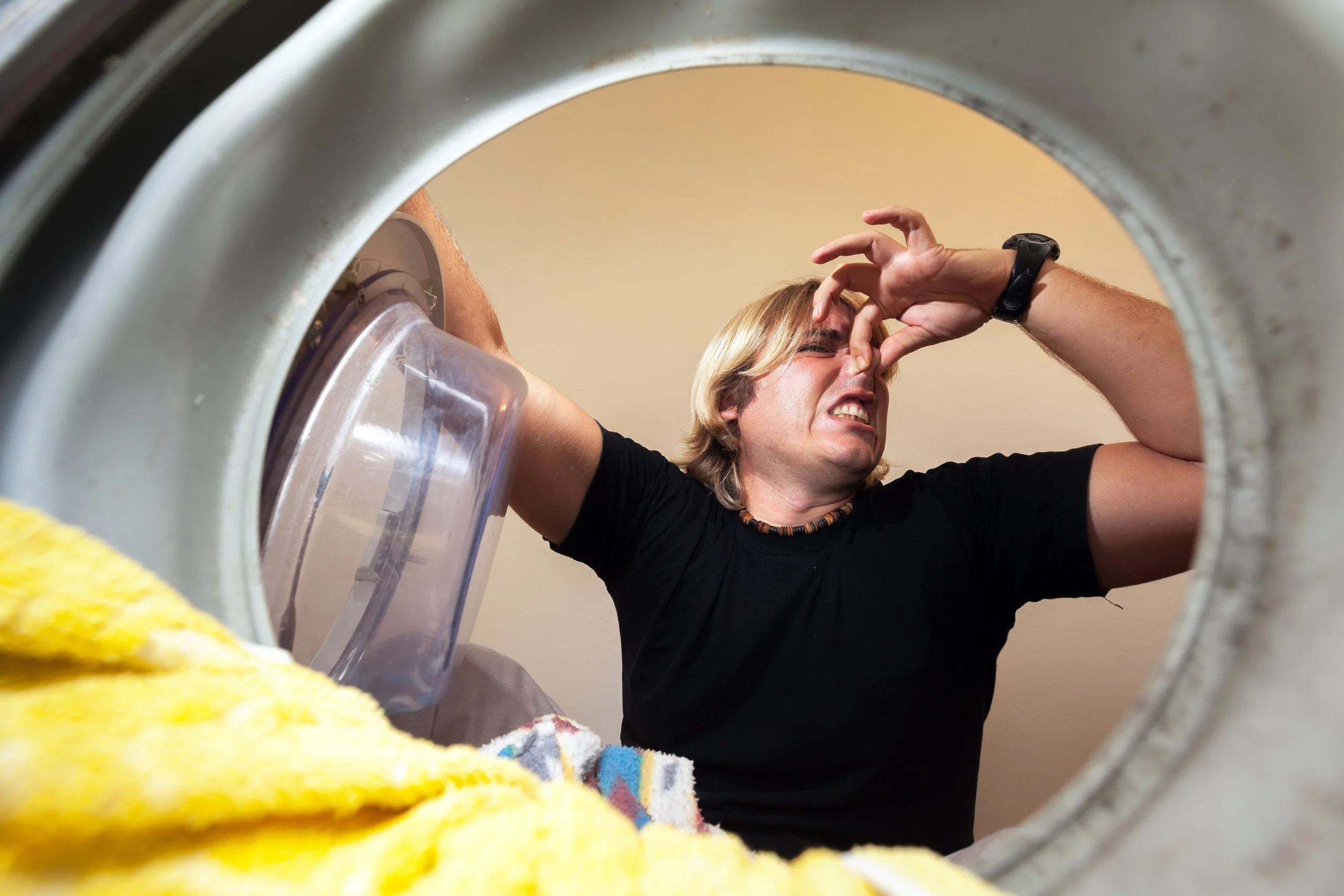
Manganese, one of the most abundant minerals on Earth, is associated with this issue. Manganese builds up in towels and clothing which traps the odor associated with this mineral. The odor intensifies when the fabrics became damp again. Manganese can cause black/brown stains on fabrics, which are aggravated by chlorine bleach.
-
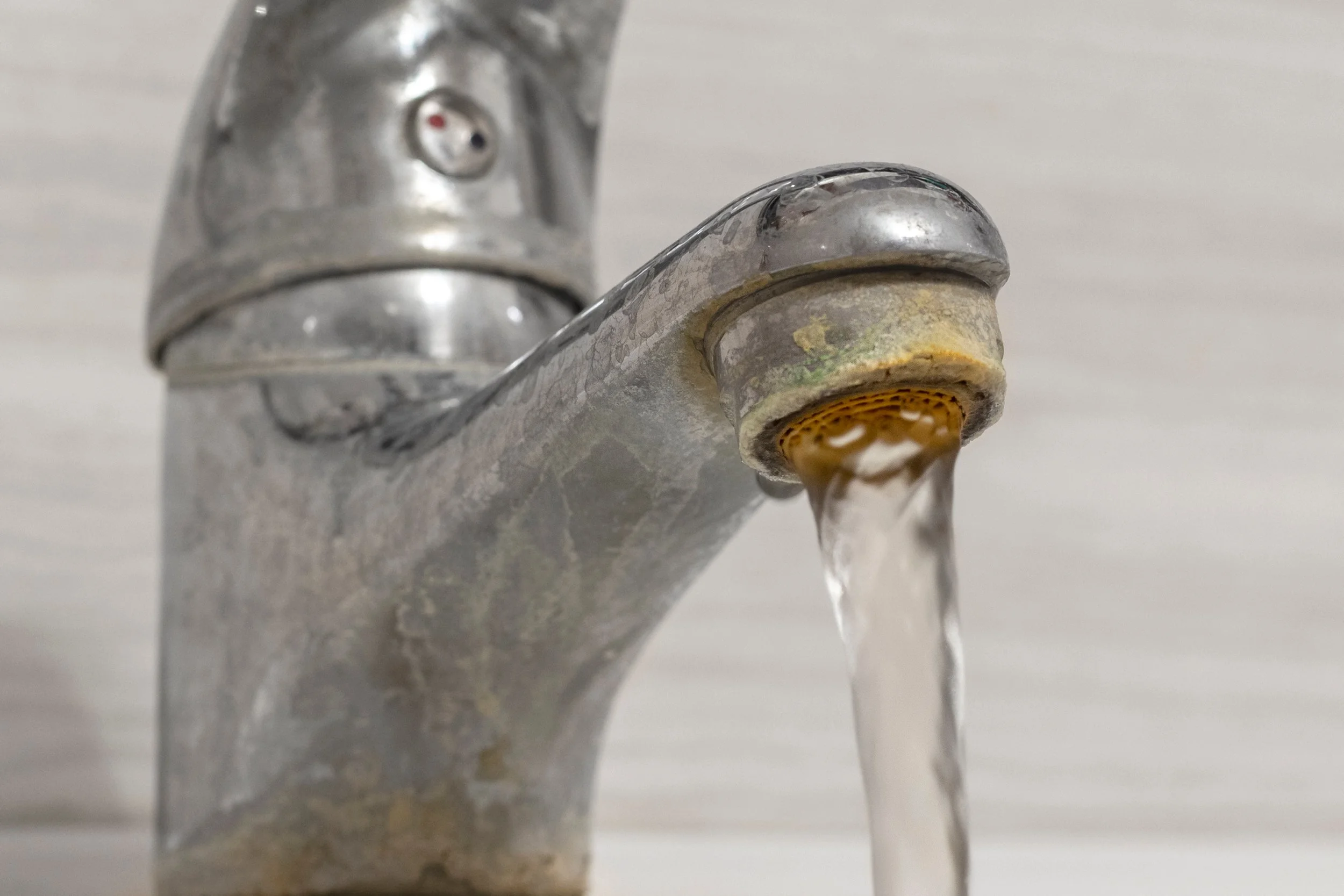
Sometimes everywhere! The inside of dishwashers, the end of sprayers and and shower heads are good indicators of water issues. One of my favorites is the inside of a toilet tank.
Approximately 90% of the homes we visit have never looked in their toilet tanks. The inside of toilet tanks are unfinished porcelain and it loves to absorb stuff!
-
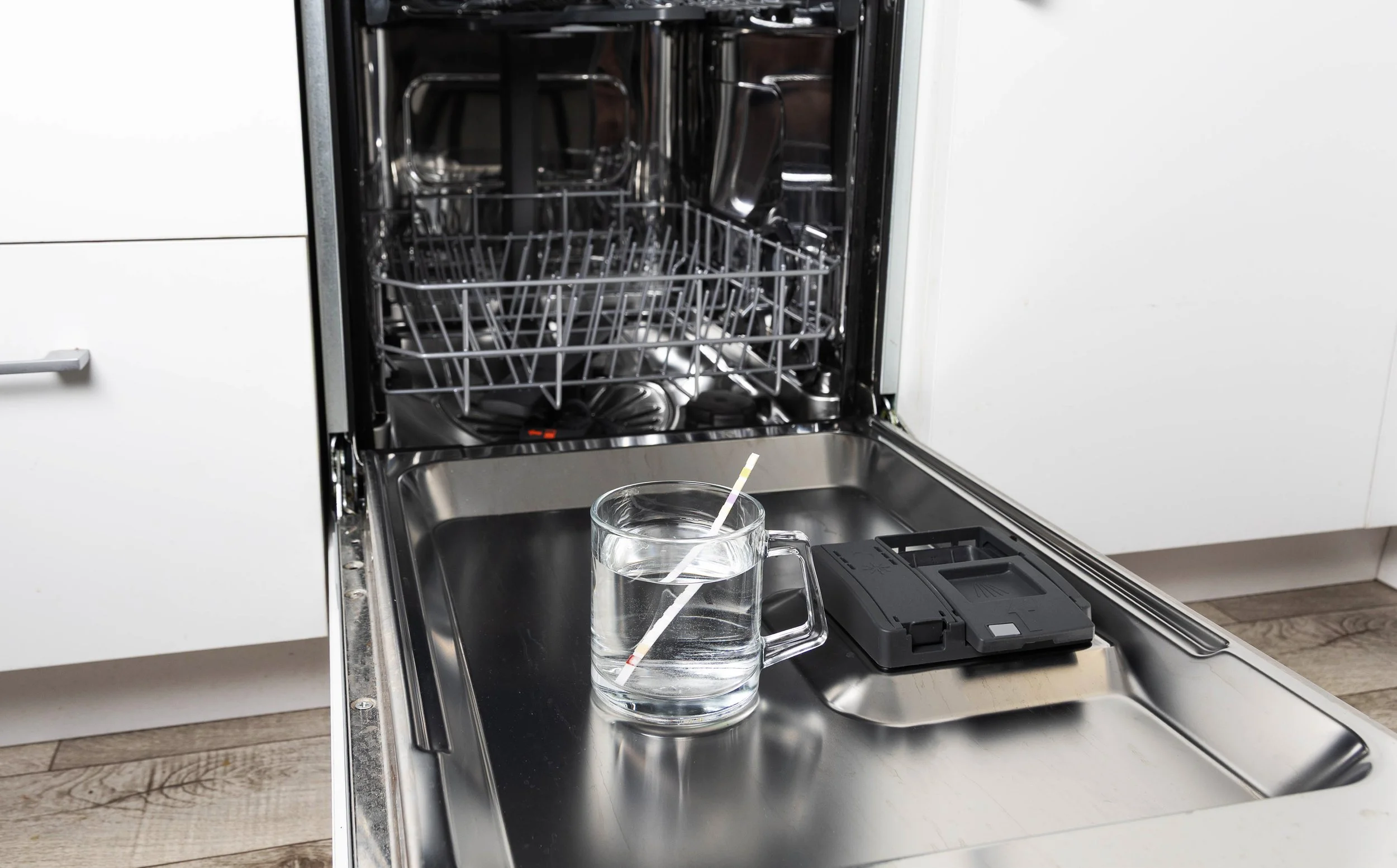
Hardness can be measured in grains per gallon (gpg), parts per million (ppm) and milligrams per liter (mg/L). Noteworthy and to simplify, ppm and mg/L are the same measurement and to convert them to gpg divide by 17.1
So, for example, your annual water report from your public water authority says your hardness is 215 ppm.
Divide 215 by 17.1 and your water is 12.57 grains hard